driverless vehicles already charge with Bluedot
Robotaxi, teledriven and autonomous development fleets charging on U.S. public networks, in every city they launch





Charging access and payments for autonomous and electric fleets
Robotaxi, teledriven and autonomous development fleets run on Bluedot. One account covers more than 80% of U.S. public chargers, with every session authorized, paid and billed by vehicle.
One account for EV fleet charging across public networks, depots and home
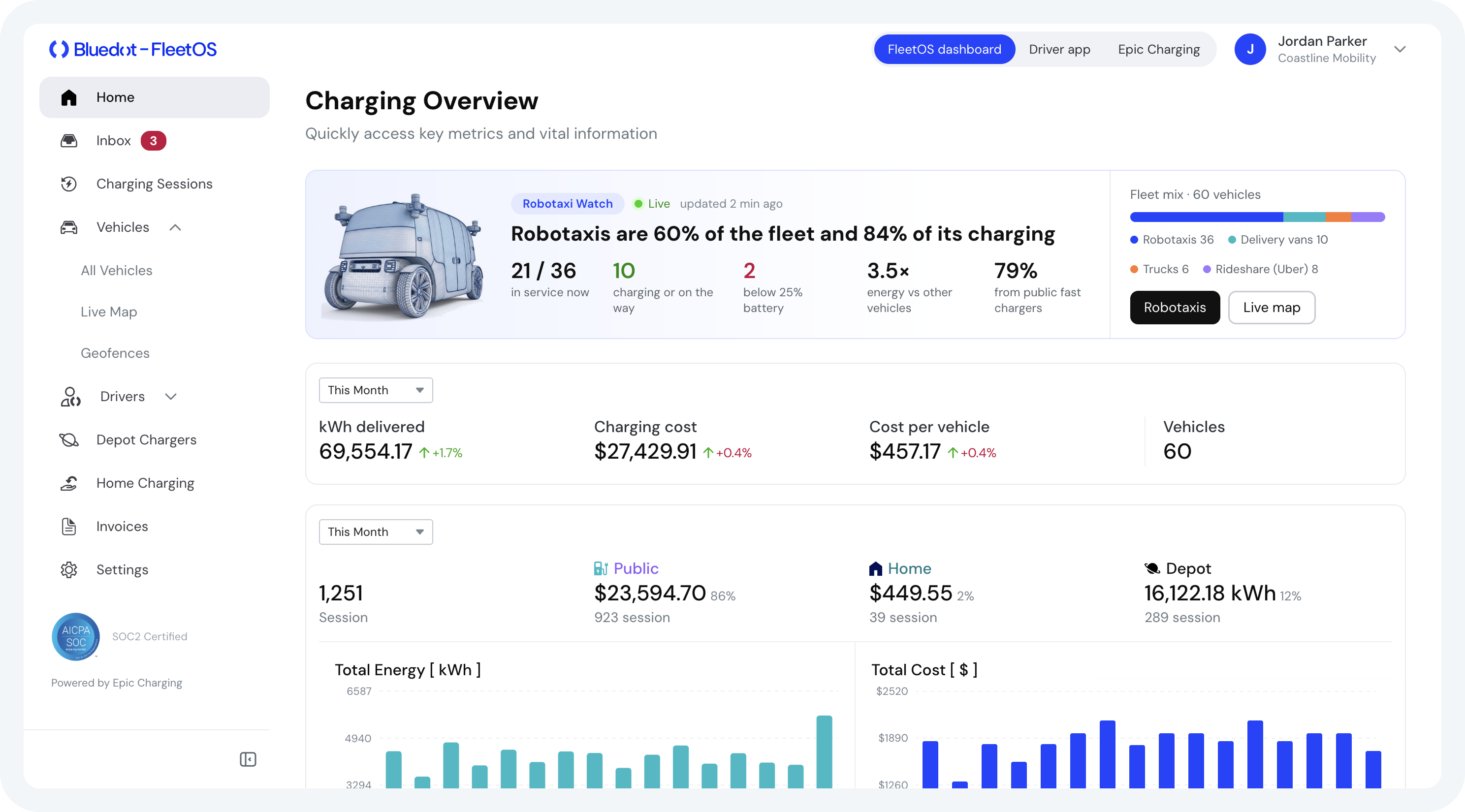
Bluedot is a network-agnostic fleet charging platform. Vehicles charge wherever the route takes them. Bluedot handles authorization, payment, billing and reporting, so operations and finance work from one dataset instead of a stack of network accounts and receipts.


Public charging access
One account reaches more than 80% of U.S. public chargers, with live availability, pricing and charger status. Coverage keeps growing through roaming partners such as Hubject.
Payments and billing
Every session is paid through Bluedot and tied to a vehicle, an operator and a location. Pay per session, bill daily, or roll everything into one monthly invoice at the organization level.
Vehicle-level data
Sessions, kWh, cost and location by vehicle, with time-of-day visibility and reporting built in. You know what each vehicle costs to charge on every network it uses.
Depot and home in the same account
Depot chargers run on Epic Charging's OCPP-based management software, and home charging is tracked and reimbursed, so public, depot and home sessions land in one dataset.
When no one in the car is the customer, charging has to follow the vehicle
In a robotaxi, teledriven or AV test fleet, the person who plugs in is a fleet operator handling many cars, not a driver with a personal account. Access and payment have to follow the vehicle on every network it may use, in every city it launches in. That is the layer Bluedot provides.
Launch before the depot exists
A dedicated depot can take 18 to 36 months to site, permit, build and energize. New cities launch on public networks. Bluedot gives the fleet access on day one, and the same account keeps running once the depot opens.
One account across networks and cities
No per-network accounts, cards or apps for every operator and every city. Bluedot authorizes the session and settles payment on every supported network, including networks reached through Hubject roaming.
Reconciliation by vehicle, not by receipt
Every session is attributed to a vehicle, a location and a billing entity. Finance can allocate charging cost across cities, fleet partners and contracts without chasing network receipts.



A driverless fleet, one year on Bluedot
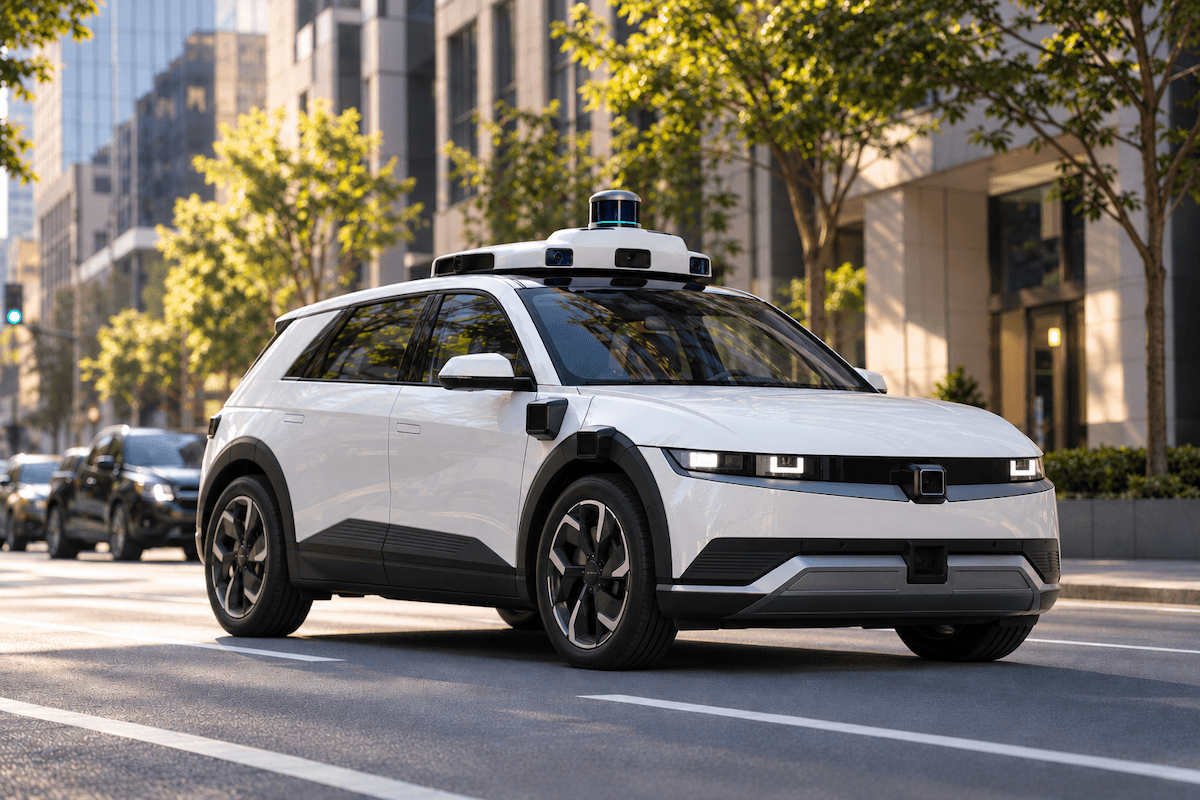
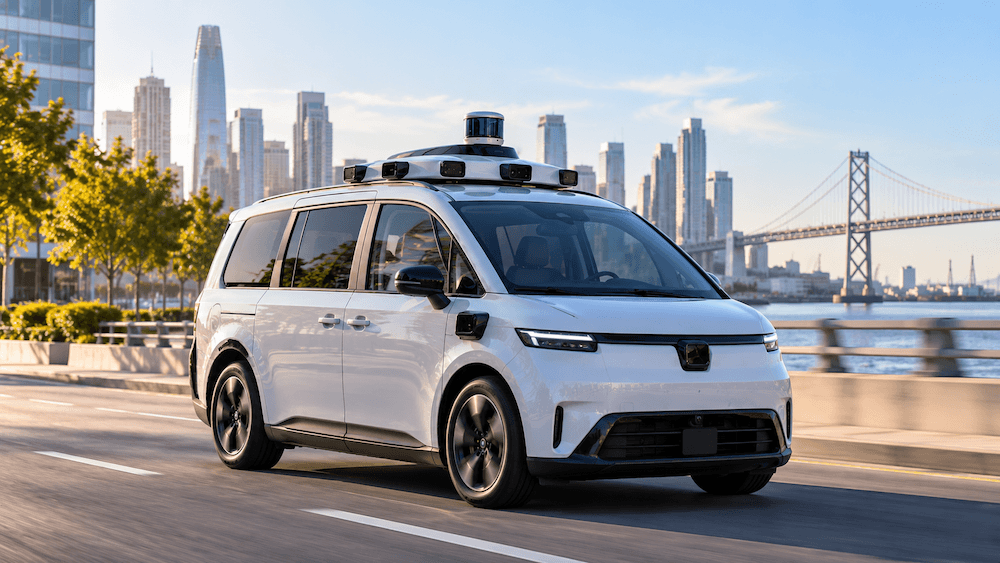
A remotely driven rental fleet in Las Vegas grew from about 100 to 200+ electric vehicles in four months. Its charging across four public operators runs as one operation on Bluedot.
"Supporting Bluedot's vision is exciting, especially as they tackle the unique charging demands of AV fleets. Together, we're removing network fragmentation so autonomous operations can run reliably and uninterrupted."
"Every charger doesn’t charge the same rates at every hour of the day. It wasn’t like we reinvented the wheel. It was really just optimizing based on time of day. And these little tweaks in optimization have led to, so far, 30%."
How driverless fleets keep their cars charged
Operators and partners talk through launching on public charging, depot timelines and what it takes to keep a driverless fleet on the road.

More than 80% of U.S. public chargers, and growing through roaming
U.S. public chargers
Reachable from one Bluedot account, across the major networks a fleet meets on the road.
Public charging stations
Stations available in the Bluedot app, with live status and pricing.
Roaming via Hubject
Bluedot works with Hubject as an e-mobility service provider on the intercharge network, so new networks arrive in the account fleets already use.

Part of Epic Charging
Bluedot has been part of Epic Charging since May 2026. Epic's OCPP-based charging management software runs depot and site chargers, and Epic is a member of the NVIDIA Inception program for startups.


Autonomous fleet charging, in practice
How do robotaxi and autonomous fleets charge with Bluedot?
Vehicles charge at public chargers on supported networks, at depot chargers and at home. Fleet operations staff plug the vehicle in and start the session through Bluedot. Bluedot authorizes the session, pays the network and attributes the cost to the vehicle, so there is no per-network account for every operator and city. Bluedot does not supply robotic or hands-free plug-in hardware.
Does Bluedot build or operate charging depots?
No. Bluedot provides charging access, payments, billing and data. Depot chargers can run on Epic Charging's OCPP-based charging management software, so public and depot sessions land in the same Bluedot account and dataset.
Which charging networks can a fleet use with Bluedot?
One Bluedot account reaches more than 80% of public chargers in the U.S., and coverage keeps growing through roaming: Bluedot works with Hubject as an e-mobility service provider (eMSP). See public charging access for details.
How is fleet charging billed?
Every session is paid through Bluedot and attributed to a vehicle, a location and a billing entity. Fleets can be billed daily or in one monthly invoice at the organization level, with reporting by vehicle, driver or operator, and location. See automated billing.
Does Bluedot work for fleets with human drivers?
Yes. Rental, rideshare, government, corporate and service fleets use the same platform: a driver app for public charging, automated payments, home charging reimbursement and fleet telematics in one dashboard.
Planning a driverless launch in a new city?
Tell us the cities, networks and vehicles. We will show you how charging access, payment and billing work on Bluedot before the depot exists.